Rubbish clearance West Dulwich station area
Posted on 14/07/2026
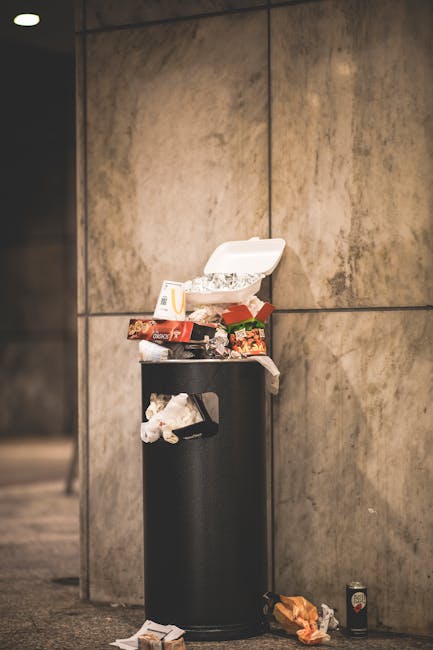
Rubbish clearance West Dulwich station area: a practical guide for homes, flats and local businesses
If you are dealing with unwanted furniture, builders' rubble, garden cuttings, or a growing pile of mixed household waste, rubbish clearance in the West Dulwich station area can feel like one more job you really did not need this week. The good news is that it does not have to be complicated. With the right approach, you can clear space quickly, stay on the right side of UK waste rules, and avoid the classic headaches of missed collections, awkward access, or fly-tipping risks.
This guide explains how local rubbish clearance works around West Dulwich station, who it suits, what a sensible process looks like, and how to choose a service with confidence. You will also find a checklist, comparison table, and a few plain-English compliance tips, because let's face it, waste disposal is rarely glamorous but it matters a great deal.
Why Rubbish clearance West Dulwich station area Matters
West Dulwich station sits in a busy part of south London where people move between homes, shops, schools and commuter routes all day. That matters because waste builds up fast in places with tight streets, limited parking, shared accessways and a mix of flats, terraces and small commercial units. A single sofa left in a hallway or a heap of renovation waste on a pavement can create a surprisingly big problem.
In practical terms, rubbish clearance here is not just about tidying up. It helps keep entrances clear, avoids nuisance for neighbours, and reduces the chance of items being dumped in the wrong place. It also supports landlords, tenants, homeowners and local businesses who need waste removed between moves, refurbishments or seasonal clear-outs.
There is also a trust angle. If you are paying someone to remove waste, you want assurance it is handled properly, transported legally, and dealt with responsibly. That is why many people in the area look for a licensed, organised approach rather than just "someone with a van". Subtle difference. Very important difference.
Expert summary: The best rubbish clearance service is the one that removes waste safely, leaves the area clean, and gives you a clear paper trail for how the waste is handled.
For readers comparing wider Dulwich services, it can help to look at the broader picture too, including the full services overview and the practical advice in how to choose a trusted certified rubbish removal service.
How Rubbish clearance West Dulwich station area Works
Most local clearances follow a straightforward pattern, although the details depend on what you need removed and how easy access is. In the West Dulwich station area, the process usually starts with a short description of the waste, a rough idea of volume, and a booking window. If the load is mixed or bulky, a crew may need a better look before confirming the final quote.
Typical rubbish clearance runs like this:
- You describe the waste and the location, including any access issues such as stairs, rear alleys, controlled parking, or narrow entrances.
- You receive a quote or estimate based on volume, weight, material type, labour, and disposal requirements.
- The crew arrives, loads the waste, and checks for items that need separate handling, such as white goods or electricals.
- The area is swept or left reasonably tidy after removal.
- The waste is transported to an appropriate facility for sorting, recycling or disposal.
For many jobs, especially flats and house clearances near transport links, the local challenge is speed plus logistics. A van can be parked, but not always where you want it. A pile of waste can be easy to see from the street, which means you want the job done properly and without drama. That sounds obvious, but you would be surprised how often the "simple" jobs become complicated by parking or access.
If you are not sure whether to clear it yourself or bring in help, the comparison in DIY rubbish removal vs hiring pros is useful reading. It explains the time, effort and hidden costs that often get missed on first pass.
Key Benefits and Practical Advantages
A well-run rubbish clearance service does more than take things away. It saves time, reduces stress, and helps you reset a space properly. That matters whether you are clearing a single bulky item or dealing with a full property in the station area.
- Speed: Waste can often be removed far faster than arranging multiple council trips or doing several car-loads yourself.
- Convenience: Bulky items, awkward loads and mixed waste are handled in one visit.
- Safer lifting: Heavy furniture, broken appliances and building debris can be tricky to move without injury.
- Cleaner finish: A good clearance leaves the area ready for decorating, letting, selling or reopening for business.
- Better compliance: Licensed handling reduces the risk of waste being dumped illegally or mishandled.
- More recycling potential: Sorted waste has a better chance of being reused or recycled properly.
There is also a mental benefit that people underestimate. Once the clutter is gone, the room feels different. Brighter. Calmer. You notice the floor again. The window opens properly. It sounds a bit small, but those things add up.
For local households, related services often go hand in hand with waste removal, such as furniture disposal, appliance disposal, and domestic waste collection.
Who This Is For and When It Makes Sense
Rubbish clearance in the West Dulwich station area is a good fit for people who need a quick, organised solution for waste that will not fit neatly into a normal bin system. In real life, that includes a lot of different situations.
Homeowners and tenants
If you are moving, downsizing, redecorating or just finally tackling the spare-room mountain, a clearance can save several trips and a fair amount of back strain. It is especially useful if your waste includes a mix of broken furniture, bags of old belongings, and things you are not quite sure how to dispose of legally. You know the type: the lamp that never worked, the shelf missing two screws, the box of cables nobody dares touch.
Landlords and letting agents
After a tenancy ends, properties often need a quick reset. Left-behind items, loft clutter, old mattresses and garden waste can slow re-marketing. A fast clearance helps get the place ready for cleaning, inventory work or minor repairs.
Local businesses
Shops, offices, cafes and small studios in the area may need waste cleared after refurbishments, stock refreshes or office reorganisations. If you are upgrading furniture or replacing fixtures, a single clearance visit can be easier than coordinating different waste streams separately.
Builders and trades
Small building jobs often create bags of rubble, timber offcuts, plasterboard and packaging. If you are working on a property near the station and need the site kept tidy, builders waste disposal is often the better choice than letting debris sit around until the end of the job.
For nearby commercial needs, commercial waste removal and office clearance are often the practical next step.
Step-by-Step Guidance
If you want the process to go smoothly, a little preparation helps a lot. Not a massive military operation. Just enough structure to avoid confusion on the day.
- Sort the waste into rough groups. Put furniture, general rubbish, electrical items, and building waste into separate piles if you can.
- Check access. Measure wide items, note stairs, and think about where a vehicle can safely stop.
- Remove personal items. Before anything goes, check drawers, pockets, cabinets and under cushions. People always miss something small.
- Identify any restricted items. Some items need special handling, so mention paint, chemicals, fridges, TVs or mattresses upfront.
- Ask for a clear price basis. Make sure you understand whether the quote is based on volume, labour, weight or a combination.
- Confirm timing. Same-day or next-day collection can be useful, but only if the access and item list are accurate.
- Keep the route clear. On the day, move cars if needed and make sure hallways or entry points are unobstructed.
- Inspect the finish. Once the waste is gone, check the area for smaller pieces, dust or missed items.
If you want a more detailed preparation guide, how to prepare for rubbish removal is a useful companion article. It covers the little details that often save time, like bagging loose waste and photographing bulkier items before the crew arrives.
Expert Tips for Better Results
After enough clearances, a few patterns become obvious. The jobs that run best are the ones where expectations are clear from the start. The jobs that go sideways usually involve vague descriptions, poor access, or surprise waste types. Nothing dramatic. Just avoidable.
- Be honest about the volume. "A few bags" and "half a room" mean very different things. Be specific if you can.
- Photograph the load. It helps the team gauge vehicle size and staffing needs before they arrive.
- Flag awkward items early. Fridges, freezers, sofas, bed frames and dismantled wardrobes can change the plan.
- Ask what happens next. A reputable service should be able to explain sorting, recycling and disposal in plain language.
- Choose a time that fits the street. Near a station, the quieter collection window can be easier for parking and loading.
- Don't over-pack bags. In the real world, heavy bags cause more delay and more strain. Keep them manageable.
Another small but useful tip: if you are clearing a property after decorating, leave the final sweep until after the main load is gone. It sounds basic, but it stops you cleaning twice. Nobody wants that.
For households tackling bigger decluttering projects, the practical advice in spring cleaning and proper disposal can help you avoid piles reappearing in corners a week later.

Common Mistakes to Avoid
Most problems in rubbish clearance are not mysterious. They come from rushing, guessing, or assuming "it'll probably be fine". That line has caused many a headache.
- Leaving everything until the last minute. You end up under pressure and more likely to accept the first option without checking details.
- Not checking for hidden waste. A wardrobe may contain old paperwork or a sofa may hide broken glass. It is worth a quick look.
- Ignoring access constraints. A van cannot magically fit where it cannot fit. Narrow streets and parking restrictions matter.
- Mixing waste types without mention. General rubbish, garden waste and builders' waste may be handled differently.
- Choosing only on price. Cheap can be fine, but suspiciously cheap often means corners are being cut somewhere.
- Assuming legal disposal. You should always be comfortable with how your waste is handled and who is taking it away.
The hidden-cost issue comes up a lot. If you want a reality check, the hidden costs of cheap rubbish removal is worth a read. It helps you spot add-ons before they become a nasty surprise.
Tools, Resources and Recommendations
You do not need specialised equipment to prepare for clearance, but a few simple tools make the job easier and safer. A lot easier, actually.
- Heavy-duty gloves: useful for sharp edges, splinters and awkward bags.
- Strong bin bags or rubble sacks: better for grouped loose waste than thin carrier bags.
- Tape measure: helpful for furniture or large appliances where access is tight.
- Marker pen and labels: useful if you want to separate items for keep, donate, recycle or remove.
- Phone camera: handy for sharing accurate photos with the clearance team.
- Basic trolley or sack barrow: useful only if you are moving items short distances safely.
If you are looking for the service pages that connect with local waste types, the most relevant starting points are waste clearance, rubbish collection, waste disposal, and furniture removal.
For readers interested in how waste work is carried out more efficiently, the tools and techniques licensed teams use gives a clearer sense of the professional side of the process.
Law, Compliance, Standards, or Best Practice
Waste clearance in the UK is not something to shrug off. In broad terms, you should expect any reputable operator to follow legal and environmental best practice for transporting and handling waste. That usually means using appropriate paperwork where required, taking waste to authorised facilities, and separating items sensibly for reuse or recycling when possible.
For householders, one of the biggest risks is handing waste to an unlicensed operator and assuming it is all sorted out. If that waste later ends up fly-tipped, the original householder can end up with questions to answer. That is why it is sensible to check credentials and ask direct questions. No need for a speech. Just ask plainly.
Useful best-practice checks include:
- Ask whether the team can explain how waste will be transported and processed.
- Check that the company is transparent about pricing and service scope.
- Confirm that they separate recyclables where practical.
- Make sure any special items are disclosed in advance.
- Keep your own records of the booking and what was removed.
If you want a deeper compliance overview, UK waste removal laws and compliance tips and waste carrier licence and compliance are the most relevant internal resources. They are practical, not preachy, which is refreshing.
Best practice in one sentence: only use a clearance provider that can explain its process clearly and treats your waste like a responsibility, not a nuisance.
Options, Methods, or Comparison Table
There is more than one way to clear rubbish in the West Dulwich station area, and the right choice depends on volume, urgency and the sort of waste involved.
| Option | Best for | Pros | Drawbacks |
|---|---|---|---|
| DIY trips to a disposal point | Small amounts of general waste | Low direct cost if you already have transport; flexible timing | Time-consuming; lifting risk; parking and loading hassle; multiple trips |
| Skip hire | Longer projects with predictable waste | Good for ongoing works; can handle mixed waste over time | Requires space; permits may be needed; can be less suited to tight streets |
| Professional rubbish clearance | Bulky, mixed or urgent waste | Fast; labour included; less stress; better for access challenges | Usually costs more than doing it yourself; needs clear item description |
For many local jobs, professional clearance is the most practical middle ground. You avoid the back-and-forth of DIY disposal, but you do not have to commit to a skip sitting outside for days. That said, if you are doing a larger refurb, a skip can still make sense. It depends. Sometimes the boring answer is the right one.
If you are weighing up methods in a broader context, rubbish removal costs in the UK and London vs Manchester rubbish collection services are helpful for understanding how service styles and pricing expectations vary.
Case Study or Real-World Example
A typical West Dulwich station area job might look like this: a flat above a parade of shops needs clearing after a tenancy ends. The property includes a broken wardrobe, two old armchairs, a mattress, several bin bags of mixed household items, and a small pile of packaging from recent repairs. There is no lift, the stairwell is tight, and parking is limited to a short loading area.
In that situation, the best outcome usually comes from clear advance information. The team needs to know about the stairs, the access, the quantity of bags and the bulky pieces. If that happens, the crew can turn up with the right vehicle size and enough labour to move things out without chewing up the whole morning.
What made the difference in a case like this was not magic. It was simple organisation: photos sent in advance, a clean route from flat to pavement, and a quick final sweep after loading. The landlord got the property ready for cleaning that same day, and the tenant move-on process stayed tidy. Nothing fancy, just effective.
For similar move-out situations, house clearance and the helpful house clearance checklist can be especially useful.
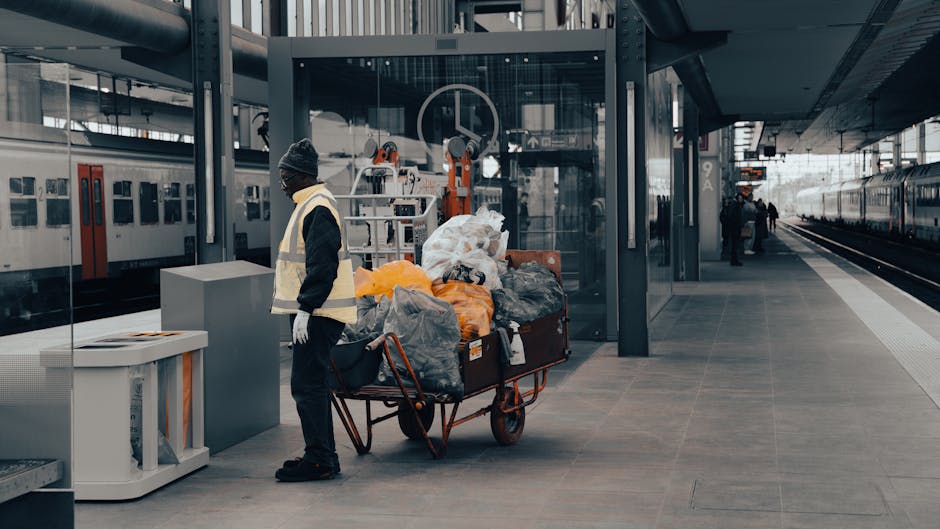
Practical Checklist
Use this before your booking if you want the whole thing to run more smoothly.
- List the main waste types: furniture, bags, appliances, garden waste, builders' debris.
- Take a few clear photos of the load and the access route.
- Measure any oversized items and note stairs or tight corners.
- Check whether parking or loading space is available near the property.
- Separate valuables, personal papers and items you want to keep.
- Tell the provider about anything unusual, heavy or potentially restricted.
- Ask how pricing is calculated and what might affect the final cost.
- Confirm the collection time and whether the team needs someone on site.
- Clear hallways, doorways and pathways as much as possible.
- After removal, inspect the space for small items and debris.
If you are preparing in a rush, the article on what can and cannot be collected is worth keeping handy. It helps reduce those last-minute "can you take this as well?" moments.
Conclusion
Rubbish clearance in the West Dulwich station area is really about making a space usable again without creating extra stress. Whether you are clearing a flat, a family home, a shop, or a small office, the job goes better when you plan a little, describe the waste honestly, and choose a provider that works cleanly and transparently.
In a busy part of London like this, the best clearance service is not necessarily the flashiest one. It is the one that turns up prepared, respects your property, and deals with the waste responsibly. Simple, reliable, done properly. That is the standard worth aiming for.
Get a free quote today and see how much you can save.
If you are comparing services, it can also help to look at pricing and quotes, insurance and safety, and the company's about us page so you can judge fit as well as price. Little details, yes, but those little details matter.


 Tipper Van - Rubbish Removal and Builders Clearance Prices in Dulwich, SE21
 Luton Van - Rubbish Removal and Builders Clearance Prices in Dulwich, SE21