What to know about access problems for Dulwich rubbish jobs
Posted on 08/10/2026
If you are arranging a clearance in Dulwich, access can make the whole job feel far bigger than the pile of waste itself. Narrow roads, permit parking, shared drives, basement steps, awkward side returns, and a front garden that looks simple until you try to carry a sofa through it - these are the real-world details that can slow rubbish jobs down. What to know about access problems for Dulwich rubbish jobs is not just a planning question; it is often the difference between a smooth, tidy collection and a frustrating delay.
In this guide, we will break down how access issues affect rubbish removal, what crews look for before they arrive, the safest way to prepare, and the common mistakes people make. You will also find a practical checklist, a useful comparison table, and a few local reality checks based on the kind of homes and streets you tend to see around Dulwich. Let's face it, no one wants to stand at the kerb while a crew struggles with a wardrobe at 8:30 in the morning.
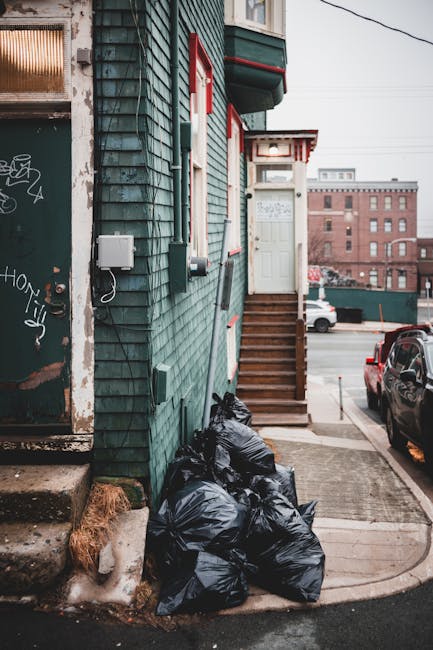
Why What to know about access problems for Dulwich rubbish jobs Matters
Access is one of those details people often underestimate until collection day. A job may look straightforward on paper: a few old bits of furniture, some builders' waste, or a full house clear-out. But if the team cannot get close enough to the property, cannot safely carry items out, or cannot park without causing a problem, the job becomes slower and sometimes more expensive.
In Dulwich, that matters even more because local streets can be a mix of tight residential roads, terraced homes, period properties, school-run congestion, and parking restrictions that make loading tricky. A clear access plan helps everyone. It saves time, reduces lifting risks, protects walls and floors, and keeps neighbours happier too. That sounds obvious, but in real life it is where jobs either glide through or get messy.
There is also a fairness issue. If a team quotes based on easy access and then arrives to find three flights of stairs and no parking within sight, the schedule for the day can be thrown out. On the other hand, if you explain the access properly from the start, the crew can bring the right number of staff, the right vehicle size, and the right equipment. Simple, but powerful.
Expert summary: Access problems do not just affect convenience; they affect safety, timing, pricing, and the final quality of the clearance. The best results come from planning the route from the property to the vehicle before anyone lifts a single bag.
How What to know about access problems for Dulwich rubbish jobs Works
Most rubbish jobs are planned around one basic question: how will waste move from the property to the vehicle in the safest and most efficient way? That route matters more than people realise. It might be a front door to pavement move, a garden gate to alley, a basement stairwell, or a shared driveway with awkward angles. If there is a pinch point anywhere along that route, the job needs adjusting.
Usually, a crew will want to know a few practical things in advance:
- Can a vehicle stop close to the property?
- Is there legal parking nearby, or will permits be needed?
- Are there steps, steep paths, narrow hallways, or low ceilings?
- Can large items fit through doors, porches, or stair turns?
- Are there any fragile surfaces, delicate fixtures, or tight corners to protect?
If the answer to any of those is no, that does not mean the job cannot be done. It just means the plan has to change. Sometimes the team needs more time. Sometimes a smaller vehicle works better. Sometimes items need partial dismantling before removal. And sometimes a second pair of hands makes all the difference. Truth be told, that extra planning is usually cheaper than sorting out a problem on the day.
Access issues can also affect how waste is categorised. For example, if builders' waste is mixed with household rubbish in a back garden or loft, the load may need extra sorting before it can be taken away. That is one reason why services like waste clearance in Dulwich are often booked for more complex jobs where access and sorting both matter.
Common access constraints you may see in Dulwich
Not every property has the same challenge, of course, but these come up often enough to deserve attention:
- Permit-controlled streets: stopping close to the address may be limited.
- Terraced houses: narrow hallways and tight staircases can slow large-item removal.
- Shared access lanes: neighbour coordination may be needed.
- Basements and lofts: items are physically harder to bring out safely.
- Front gardens and side returns: these can help, but only if gates and paths are wide enough.
- Busy school-run periods: traffic can affect timing more than people expect.
That last one catches people out. A crew may be five minutes away and still have to wait through a burst of local traffic. It happens. London is like that.
Key Benefits and Practical Advantages
When access is planned properly, a rubbish job becomes calmer, quicker, and less disruptive. You also reduce the chance of damage or misunderstandings. For many homeowners and landlords, the real benefit is peace of mind. You know what is going to happen, who is carrying what, and where the vehicle will stop. That clarity is underrated.
- Faster collection: fewer delays means the job finishes sooner.
- Lower risk of damage: tight turns and heavy items are safer when planned.
- Better pricing accuracy: the quote is more likely to reflect reality.
- Less stress on the day: no awkward guessing about parking or loading.
- Cleaner handover: the crew can leave the area neat rather than rushed.
There is a practical side too. Access planning can help decide whether you need a van-style collection, a larger clearance team, or a staged approach where smaller loads are removed over more than one visit. If you are comparing broader service options, it can help to look at the services overview first so you understand what type of job best fits the property.
And yes, a little preparation often saves money. Not always in a dramatic way, but enough to matter. A ten-minute check of the stairs, gate width, or parking restriction can stop a half-hour delay later. Small effort, big payoff.
Who This Is For and When It Makes Sense
Access planning matters for almost anyone booking rubbish removal in Dulwich, but it is especially useful if your property has more than the usual number of obstacles. If you have ever tried to move a mattress around a corner in a period home, you already know why.
This topic is particularly relevant for:
- Homeowners clearing bulky items, old furniture, or general household rubbish.
- Landlords dealing with post-tenancy clearances, especially after tenants have left items in awkward places.
- Letting agents needing a reliable turnaround between tenancies.
- Builders and trades removing waste from renovation work with tight access or mixed materials.
- Businesses that need commercial waste removed from rear entrances, basements, or shared courtyards.
It also makes sense when you are booking a more specialist job, such as house clearance in Dulwich, where multiple rooms, lofts, or outbuildings are involved. Those jobs often involve more movement through the property, so access details matter even more.
If you are clearing a garden, a converted flat, or a property with limited off-street parking, the access question should be one of the first things you raise. Not the last. Not after the van has arrived and everyone is staring at the sofa like it is a puzzle.
Step-by-Step Guidance
Here is a straightforward way to prepare for access problems before your rubbish job in Dulwich. Nothing fancy. Just the stuff that actually helps.
- Walk the route from the waste to the street. Start at the room, garden, loft, or storage area and trace the path all the way to where the vehicle would stop.
- Measure tight spaces. Door widths, stair landings, gate openings, and turning points matter. Even a rough tape measure check is useful.
- Note parking and restrictions. See whether the vehicle can stop legally and safely near the property. If not, say so early.
- Identify hazards. Loose steps, slippery paths, low light, broken handrails, or fragile flooring should all be flagged.
- Separate bulky or awkward items. Mattresses, wardrobes, appliances, and plasterboard often need special handling or extra room.
- Check for shared access needs. If the route crosses a neighbour's drive or communal area, arrange permission where needed.
- Share photos if possible. A few clear pictures of the access route can save a lot of back-and-forth.
- Be honest about the load. Understating the amount or location of waste usually creates the wrong plan.
If you are booking something like builders waste disposal in Dulwich, include photos of access points, skips or rubble bags, and any staircases. That makes the planning much sharper. For domestic clearances, domestic waste collection in Dulwich is usually easiest when the route is clear and the items are grouped before the team arrives.
A small but useful tip: if there is a parked car, wheelie bin, bike, or plant pot in the way, move it first. It sounds almost silly to mention, but those little obstacles are often what slow a job down. A lot. And yes, people do forget the plant pot.
Expert Tips for Better Results
After enough clearances, you start to notice the same patterns. The smoother jobs tend to have the same habits: good communication, honest photos, and a realistic view of what the crew can physically get through. Here are a few practical tips that make a real difference.
1. Give access information before asking for a quote
It is much easier to price a job accurately when the access route is clear from the start. Mention stairs, shared entrances, long carries, permits, and any narrow gates. If the driveway only fits a small van, say that. If the items are in the loft, say that too.
2. Think in terms of carrying distance
Five metres is not the same as fifty. A short carry is efficient; a long carry across a garden, through a side alley, and out to the street changes the whole rhythm of the job. It also affects safety. Repetition and distance can make lifting much harder than expected.
3. Protect the route before the crew arrives
Move rugs, open gates, unlock side entrances, and clear loose clutter from hallways. If there is delicate flooring, it may help to mention it so the crew can take extra care. No one wants a scuffed stair on an otherwise tidy clearance.
4. Be ready for partial dismantling
Some bulky items simply move better in pieces. Wardrobes, bed frames, and large office furniture often come out more safely when dismantled. The odd screwdriver and a bit of patience can save a lot of wrestling.
5. Choose timing with local traffic in mind
Morning and late afternoon can be awkward in busy areas. If your schedule is flexible, ask whether a quieter window might help. Sometimes the difference is surprisingly noticeable, especially around school routes or commuter times.
And one more thing: if a crew asks detailed access questions, that is usually a good sign, not a nuisance. It means they are trying to get the job right first time.

Common Mistakes to Avoid
Access issues are often made worse by simple oversights. Not dramatic mistakes. Just everyday things that get missed when you are busy or dealing with a stressful clear-out.
- Assuming a van can park anywhere: Dulwich streets can be restricted, and "just pull up outside" is not always realistic.
- Forgetting about stair turns: a chest of drawers may fit through the front door but not around the landing.
- Not checking gate widths: garden access can be narrower than you remember.
- Leaving everything until the last minute: the route should be checked before collection day, not while the vehicle is idling outside.
- Hiding awkward details: it does not help anyone if the loft hatch, basement steps, or broken lock only gets mentioned on arrival.
- Mixing too many waste types: items that need separate handling can complicate loading and sorting.
A surprisingly common issue is the "it should be fine" assumption. It often is not fine. At least not without a bit of thought. Better to over-communicate than under-prepare.
Tools, Resources and Recommendations
You do not need specialist equipment for every rubbish job, but a few basic tools and resources can help you plan access properly. Some of these are obvious, some less so.
- Tape measure: useful for doors, corridors, and gate openings.
- Phone camera: quick photos of stairwells, parking spots, and bulky items are incredibly helpful.
- Notepad or phone notes: keep track of what needs removing and where it is located.
- Flashlight: useful in lofts, sheds, basements, and dim side passages.
- Basic tools: a screwdriver or Allen key may help with furniture dismantling.
- Protective coverings: if you are worried about floors, ask about runners or padding during the job.
On the service side, it is wise to understand pricing, payment, and compliance before booking. Pages such as pricing and quotes and payment and security can help you understand how the booking is handled, while waste carrier licence and compliance gives useful background on responsible disposal.
If the job involves furniture or appliances, it may also help to check dedicated pages like furniture removal in Dulwich and white goods and appliance disposal in Dulwich, especially where size, weight, and access all intersect. Big fridge, narrow stairwell, no fun at all.
Law, Compliance, Standards and Best Practice
Whenever rubbish is collected, the basics of safe and legal handling matter. You do not need to become a waste expert yourself, but it helps to know the broad expectations. In the UK, waste should be transported and disposed of responsibly, and you should be cautious about who you let remove it. If a service is operating properly, it should be able to explain how it handles waste, what it can collect, and how it manages disposal routes.
For access problems specifically, the main compliance concern is often safety. That includes safe lifting, preventing damage, avoiding blocked pathways, and not creating hazards on the pavement or street. If a job requires parking in a restricted area or temporary stopping on a busy road, the plan needs to respect local rules. A good team will not expect you to solve the legal side on your own, but they should ask sensible questions.
It is also worth checking whether the work involves:
- shared access routes or communal areas,
- items that may need separate handling,
- heavy lifting through stairs or tight spaces,
- possible contamination or mixed waste,
- protected surfaces or delicate fixtures.
These are not just operational details. They affect how the job should be approached. For broader reassurance, it is worth reading about insurance and safety and the company's wider terms and conditions. If you care about recycling and sorting, the recycling and sustainability page is also worth a look.
Best practice, in plain English, means this: be honest, be specific, and do not make the crew guess. That alone prevents a lot of trouble.
Options, Methods, or Comparison Table
There is more than one way to handle access-limited rubbish jobs. The right choice depends on the property, the type of waste, and how much time you have. Here is a simple comparison.
| Approach | Best for | Pros | Possible downside |
|---|---|---|---|
| Standard van collection | Easy street access and moderate loads | Fast, simple, efficient | Less suitable for awkward parking or long carries |
| Two-person or larger crew | Bulky furniture, stairs, or heavy loads | Safer lifting, better handling of awkward items | May cost more than a basic pick-up |
| Staged clearance | Large jobs with limited access or mixed waste | Reduces congestion inside the property | Takes more planning and may need extra visits |
| Pre-dismantled removal | Wardrobes, beds, office furniture, or appliances | Makes tight spaces easier to manage | Needs preparation time before collection |
If you are deciding between doing it yourself and hiring a professional, a broader comparison can help too. The article on DIY rubbish removal versus hiring pros is useful if you are weighing time, effort, and access difficulty together. In some cases, a DIY approach looks cheaper until you factor in vehicle size, parking, and the sheer faff of moving heavy items out of a tight hallway.
Case Study or Real-World Example
Here is a realistic example based on the kind of jobs often seen locally. A resident in a Dulwich terrace needed an old sofa, a broken chest of drawers, and several bags of loft clutter removed. The address had limited front access, a narrow hallway, and no space for a large van to stop right outside for long. On paper, the job sounded quick. In reality, it needed a bit of planning.
The solution was simple enough, but only because access had been discussed clearly in advance. The resident sent photos of the front step, hallway, and the route to the street. The team adjusted the arrival time slightly to avoid peak traffic, brought the right lifting support, and planned the removal in the order that worked best for the layout. The sofa came out first, then the smaller items, then the loft bags. No drama. No damage. Just a tidy finish.
What made the difference? Not luck. Good access information. The resident had also checked the route the evening before, moved a couple of bikes from the hallway, and made sure the gate could open fully. That sort of preparation sounds minor, but in practice it can save a job from becoming a muddle.
Another common scenario is a rear garden clearance where access is only through the house. If the path includes narrow turns or fragile flooring, the job may need protective coverings or a smaller carrying team. This is why services such as garden waste removal in Dulwich can work best when the access route is explained properly from the start.
Practical Checklist
Use this checklist before collection day. It keeps things calm. Calm is good.
- Check where the waste is located in the property.
- Measure doorways, gates, stair turns, and tight corners.
- Confirm whether a vehicle can stop nearby legally.
- Look for permit restrictions or busy traffic windows.
- Move cars, bikes, bins, and loose items out of the way.
- Tell the crew about stairs, basements, lofts, or shared entrances.
- Point out any fragile floors, walls, or fixtures.
- Separate items that may need special handling.
- Send photos if the access route is awkward.
- Make sure gates, keys, and access codes are ready.
- Keep children and pets away from the working route.
- Ask about insurance, compliance, and disposal handling if you are unsure.
If you are booking a more involved service such as office clearance in Dulwich, a checklist becomes even more helpful because furniture, paperwork, equipment, and access constraints tend to overlap. Same with commercial waste removal in Dulwich, where timing and access windows can be tight.
One tiny but useful habit: stand where the crew will stand and look back at the route. You will often spot the problem immediately. The low shelf. The hidden step. The door that opens inward and steals half the width. Funny how that works.
Conclusion
What to know about access problems for Dulwich rubbish jobs comes down to this: the route matters as much as the rubbish. If the crew cannot safely reach the waste, the job becomes slower, riskier, and more expensive to run. If you prepare the route, share the awkward bits early, and think through parking and carrying distance, the whole process becomes much easier.
That is the real takeaway. Not complicated, just practical. A little planning saves a lot of hassle, and in a place like Dulwich, where properties and streets can vary quite a bit, that planning is worth its weight in gold. Or at least in old furniture.
Get a free quote today and see how much you can save.
If you are ready to move forward, compare your access route, note any awkward points, and choose the service that matches your property rather than hoping it all works out on the day. A tidy, well-planned clearance feels better at the end - and honestly, it often feels better right from the start.


 Tipper Van - Rubbish Removal and Builders Clearance Prices in Dulwich, SE21
 Luton Van - Rubbish Removal and Builders Clearance Prices in Dulwich, SE21